


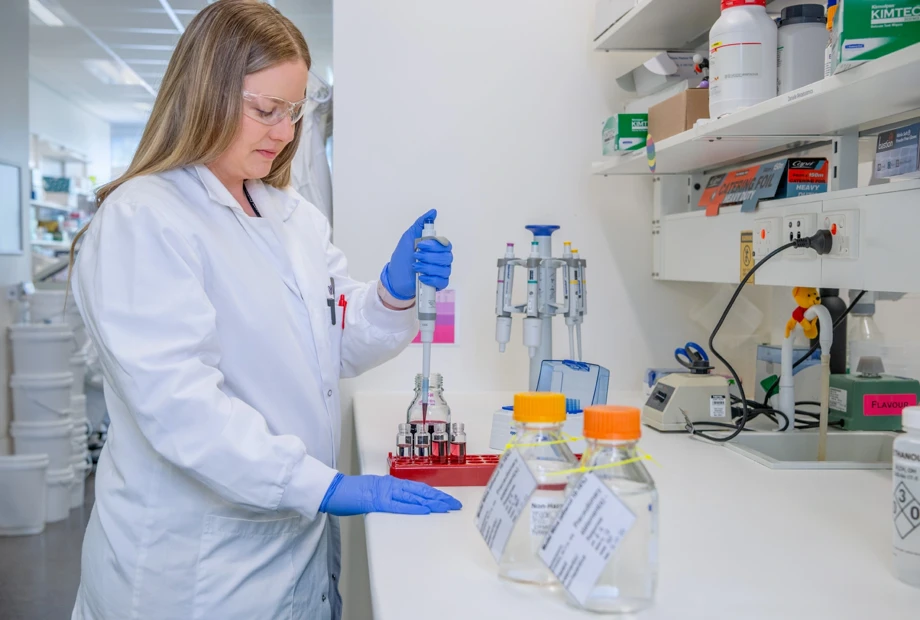
A new rapid test for Brettanomyces bruxellensis (Brett) is now available, giving winemakers the ability to detect the yeast and act before it compromises wine quality.
The new DNA-based method has been developed by the Australian Wine Research Institute (AWRI) in collaboration with Australian company GeneWorks with the support of Wine Australia funding. The kit costs less than conventional laboratory analysis and is now available from GeneWorks, allowing winemakers to rapidly check for Brett on site, enabling earlier intervention measures before spoilage develops.
Brett remains a significant microbiological spoilage issue for winemakers despite the availability of various control measures. Regular monitoring remains an important aspect of Brett management.
Winemakers currently have several options for detecting Brett in wine but each approach has limitations. The most common approach is sensory assessment, which only detects Brett once spoilage characters have developed and can be missed if a sample is batched. Selective plating of wine samples to assess for Brett colonies remains the gold standard but can take around 10 days to return a result, delaying the deployment of possible control measures. The new test delivers qualitative results in the winery in under 30 minutes with the potential to save time, money and product.
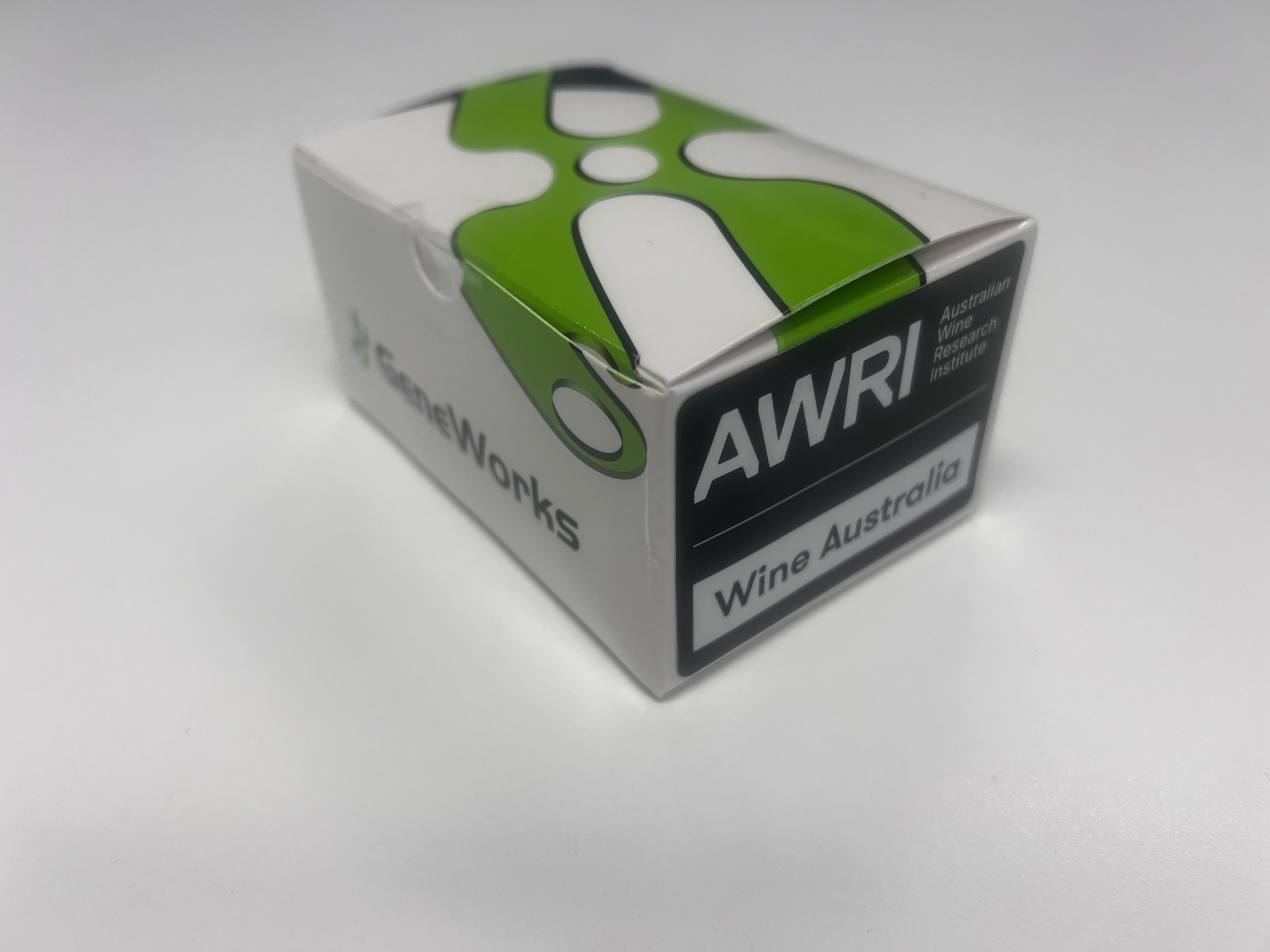 The GeneWorks Brett LAMP detection kit.
The GeneWorks kit uses loop-mediated isothermal amplification (LAMP) to detect B. bruxellensis DNA. Like PCR, LAMP amplifies specific DNA sequences but does so at a constant temperature rather than through repeated heating and cooling cycles, allowing the test to be performed with simpler equipment and protocols.
Unlike methods that provide an indication of cell numbers, the LAMP-based technique provides a qualitative positive or negative result. Once the test confirms the presence of Brett, winemakers can follow up with further investigation or management processes.
“The aim of this work was to develop a Brett detection method that was not only rapid and reliable, but practical for use in a winery environment. Taking the technology through development and winery testing has been important in ensuring it addresses a real industry need,” said Caitlin Davies, AWRI Commercialisation and Translation Manager.
“The value of the test is in providing a fast result in the winery which can be followed up with further analysis of wines, vessels or other points in the processing line to better understand the extent and source of contamination and to inform the most appropriate response.”
The commercial release of the kit follows a Wine Australia-funded project led by the AWRI to develop a field-deployable Brett diagnostic test for the wine sector. Industry consultation with winemakers from small, medium and large wineries found that more than 85 per cent of red winemakers interviewed considered Brett their biggest spoilage concern and its management important to their businesses.
Following laboratory development, GeneWorks was brought into the project and produced test kits for further development and validation of the method. Prototype versions of the kits were then tested at major wineries to assess their performance and suitability under commercial conditions.
The kits are now available through GeneWorks and include the reagents and plasticware needed for testing which is carried out using a portable Genie II analysis instrument, also supplied by GeneWorks.
“The kit has been designed for ease of use, allowing incorporation into routine Brett monitoring, supporting faster decision-making in the winery,” said Arran Greenhalgh, director of GeneWorks.
“This is a great example of what can be achieved when research, industry and end users are brought together to support wine producers.”
The Brettanomyces bruxellensis LAMP Detection Kit and Genie instrument can be purchased from the GeneWorks website: www.geneworks.com.au.
Header image credit: AWRI