


Vineyard management
Related articles
-
New national grapevine certification program to strengthen vineyard performance and biosecurity
-
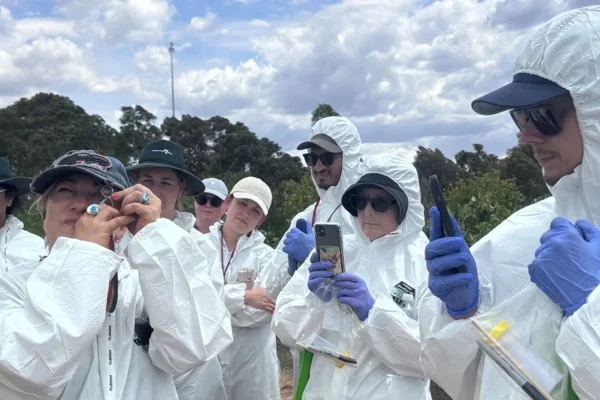
Honing the nation’s surveillance capabilities
-
South Australia explores regional collection points for CCA-treated vineyard trellis posts
-

Research captures the impacts of vineyard floor management
-

Research at the pulse for Limestone Coast growers
-
NT 02/01d
This page contains information about our current research projects and programs, reports from our completed projects, and tells you how to access our funding and report back to us if you are funded. Browse the listing or search for particular topics.
-
RT0505-1
Root Zone Salinity workshop
-
Vineyard Irrigation – delivering water savings through emerging technology
This page contains information about our current research projects and programs, reports from our completed projects, and tells you how to access our funding and report back to us if you are funded. Browse the listing or search for particular topics.