


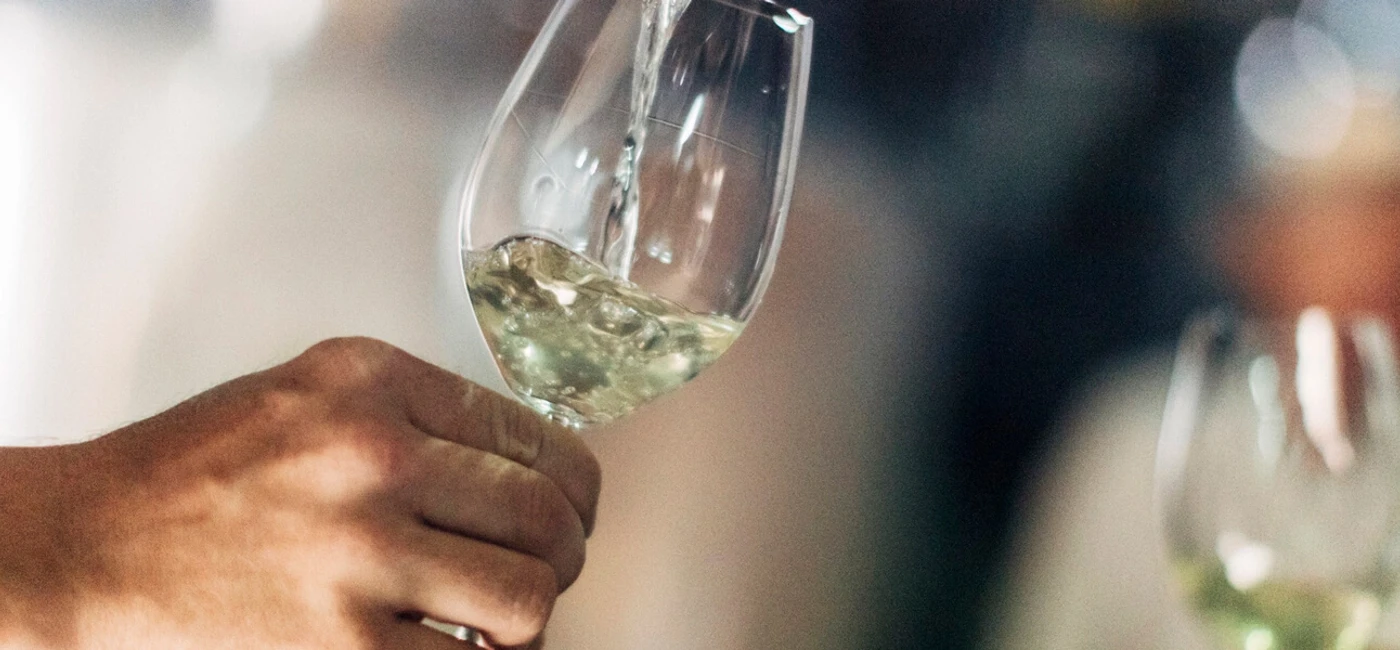
The no or low-alcohol (NOLO) beverage category has exploded in recent years. However, NOLO wine products haven’t always been as successful at capturing the essence of traditional wines as their NOLO beer and spirit counterparts have.
A Wine Australia-funded research project at the Australian Wine Research Institute (AWRI) is seeking to define the desirable sensory attributes of existing no- or low-alcohol wines and other beverages in the market to support the development of wine-like beverages that can satisfy consumers’ demands. The project is also evaluating the various methods for the removal of alcohol.

In the scheme of things, the no and low alcohol segment of the drinks market is currently small. However, the growth rate for this category has been well above that of the total wine market. According to Wine Intelligence, 39 per cent of regular wine drinkers globally claim to be reducing their alcohol intake.
“Wine drinkers are crying out for products that provide the same sensory experience of traditional wine, but without the alcohol,” said research scientist Dr Wes Pearson, who is leading the study.
“If we want to take advantage of this growing category, we need to achieve the wine-like qualities consumers are looking for.”
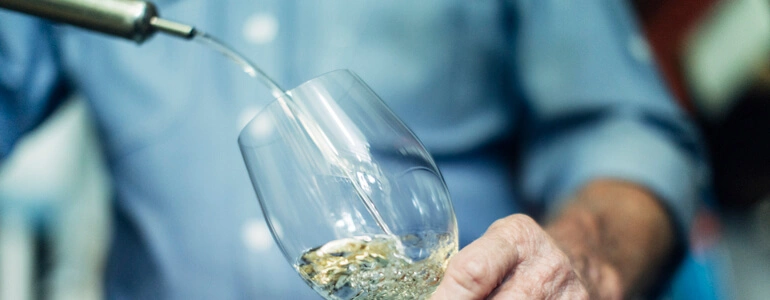
Wes and the team are investigating the production practices, technologies and ingredients required to give no and low-alcohol products the aroma, taste and palate attributes found in full-bodied dry wine.
So what are those attributes?
“If you are going to call it wine, or use wine in the labelling of the product, you are giving the consumer some expectation as to what the product might smell or taste like. This can be both good and bad, because right away the customer knows exactly what you are talking about and understands the product – which is a positive, but if the product fails to meet those expectations, then you can turn that customer off.
But getting rid of the alcohol, and mimicking these desirable sensory attributes is a challenge.
“From a sensory perspective, alcohol is an integral element of wine. Removing it fundamentally changes the way wine smells and tastes, so replacing the void created by the lack of alcohol is one challenge.”
Wes said alcohol was very complex from a sensory perspective.
“Alcohol adds the perception of sweetness, it adds weight and richness to the palate, and it adds heat and bitterness. So if you’re looking to replace all those attributes in order to make the product have similar characteristics to traditional wine, what can you add?
“Unfortunately, there isn’t a ‘silver bullet’ that can replace all these attributes, and this is what some of our research is looking at all kinds of options or techniques that can be used to try to replace some of those sensory attributes that have been lost when the alcohol was removed.”

He said there was a great opportunity for the wine sector to benefit from the growth in the demand for NOLO beverages.
“Investing in the development of NOLO products could allow for wine producers to capitalise on a market segment that has shown growth, providing new revenue streams and access to different markets.
“The wine sector has the resources and infrastructure already in place – we need to use these as a competitive advantage in developing and making these products that meet the needs of Australian wine drinkers looking for a NOLO option.”

Wes Pearson, AWRI research scientist
Note: This article has focused on the technical challenges being investigated for no and low alcohol wines. For regulatory information related to how to label no and low alcohol wines, click here.


